© MFA, Boston
Deir el-ballas
The forward capital for the Theban kings during the Hyksos expulsion, Deir el-Ballas is of tremendous archaeological and historical importance, but the site is at extreme risk from both looting and from the uncontrolled expansion of the neighboring modern town.
why
deir el-ballas
deir el-ballas
fieldwork
history of deir el-ballas
deir el-ballas
publication
mission
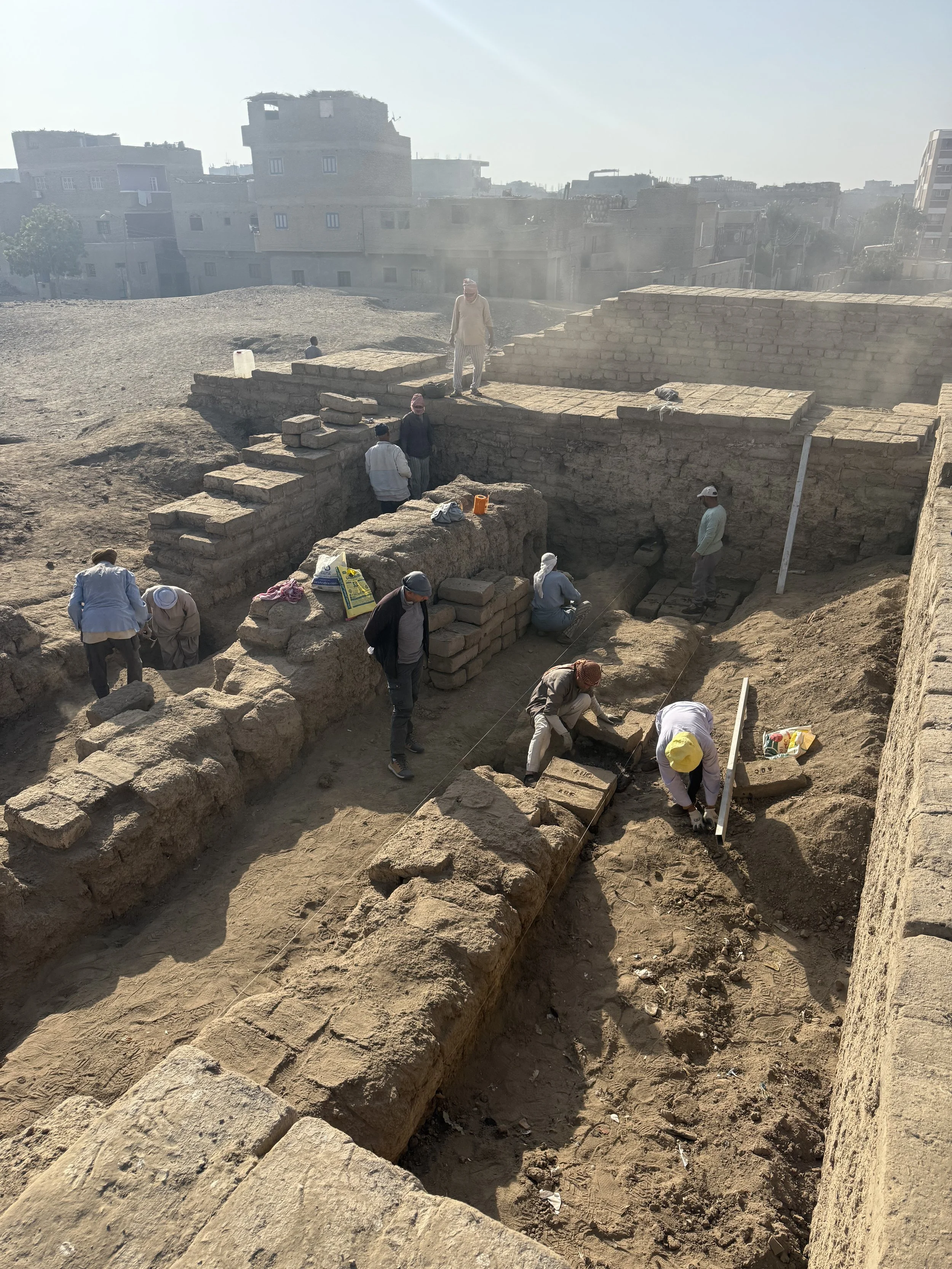
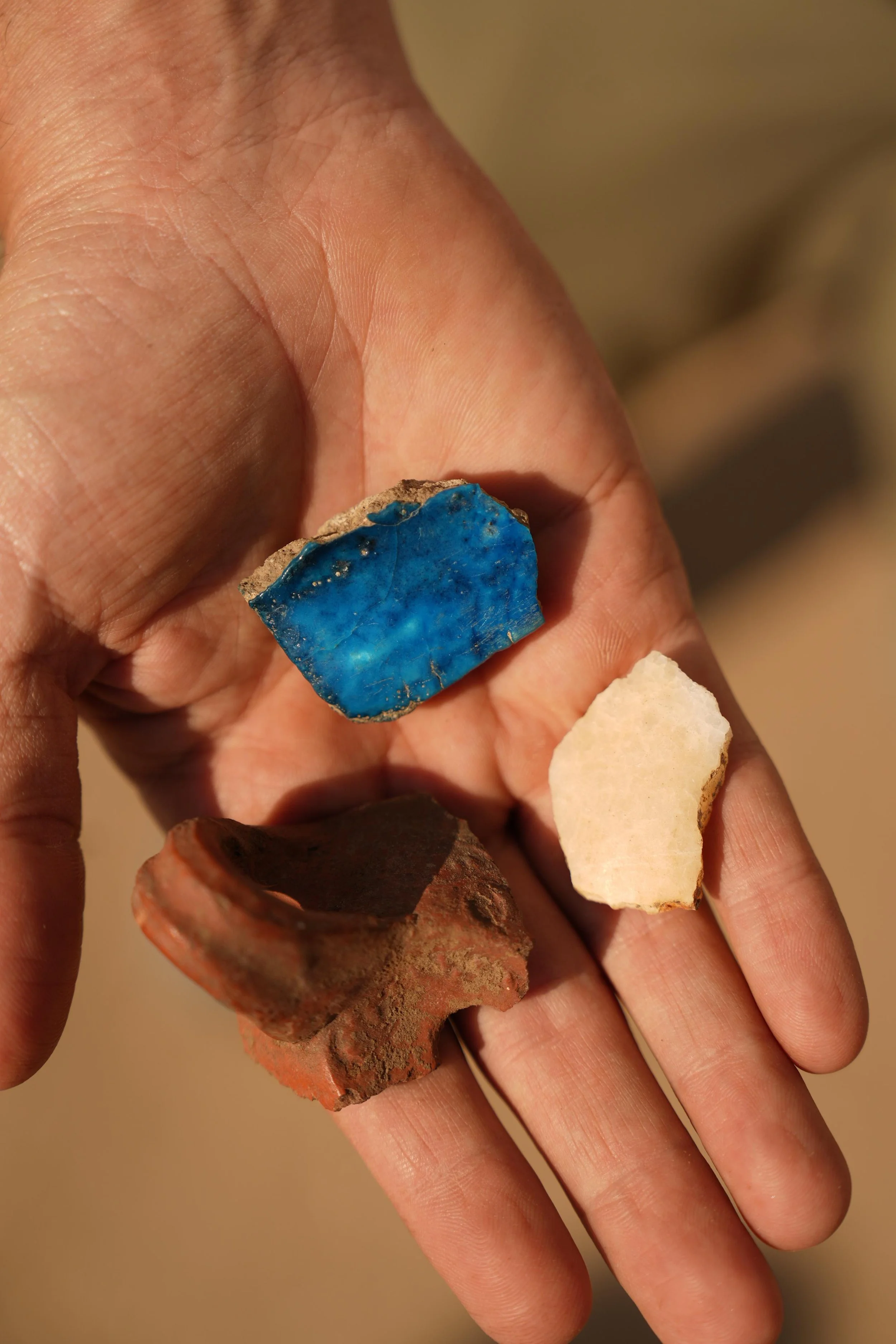
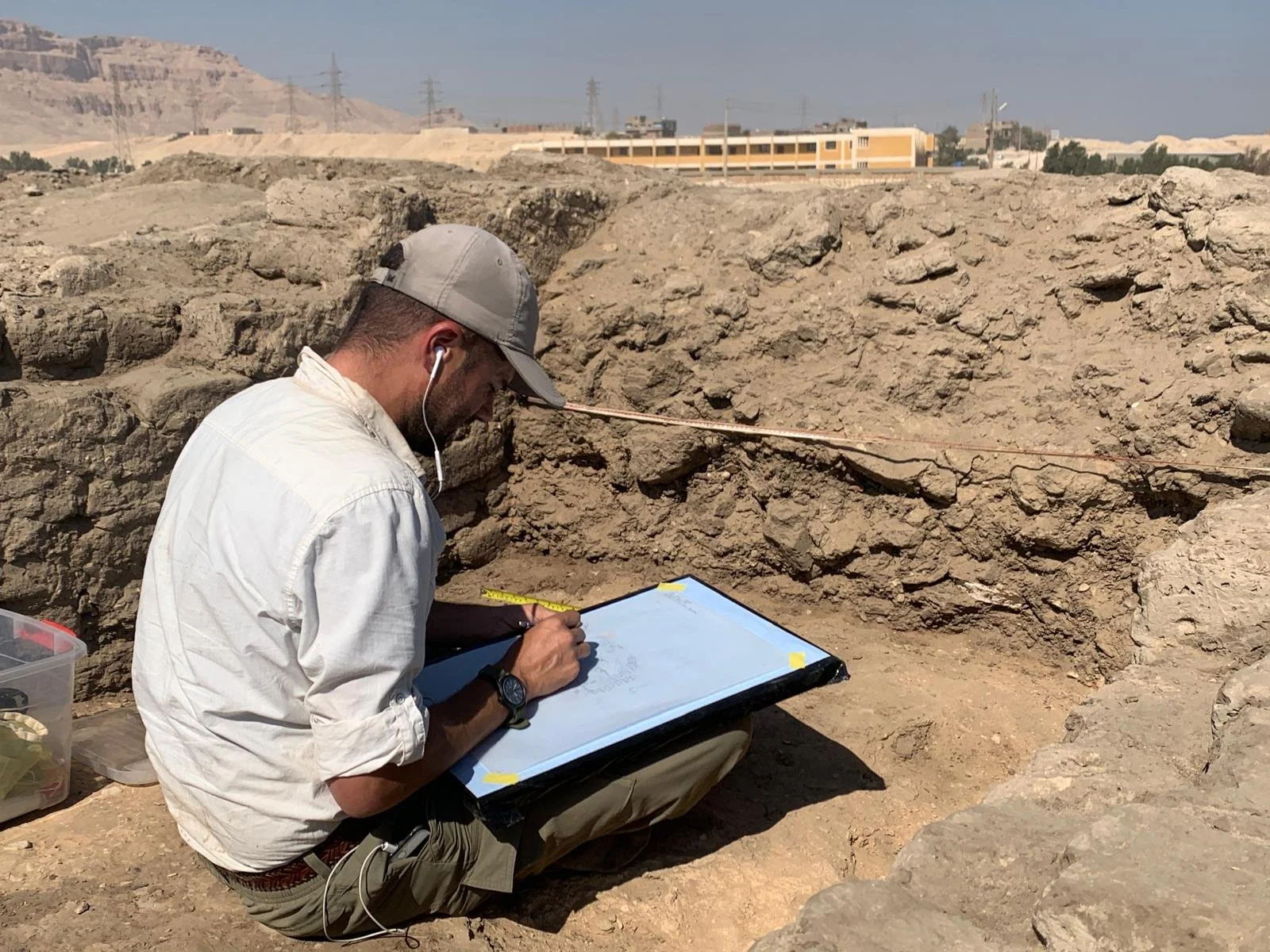
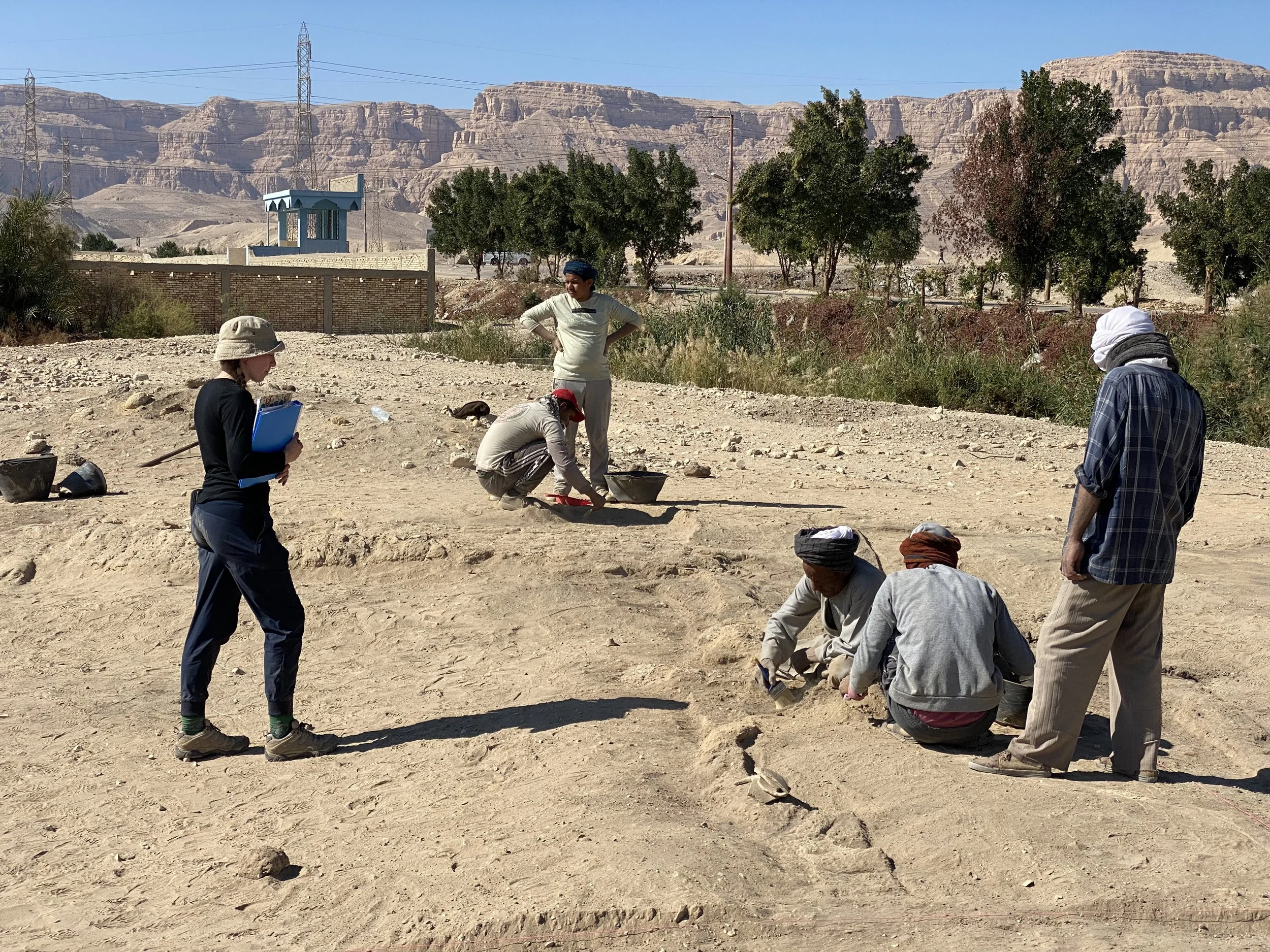
Our ongoing mission at Deir el-Ballas combines excavation, documentation, and restoration as we seek to better understand the site and preserve it for the future. Many structures that had previously been excavated were badly damaged by looting and attempts at land reclamation.
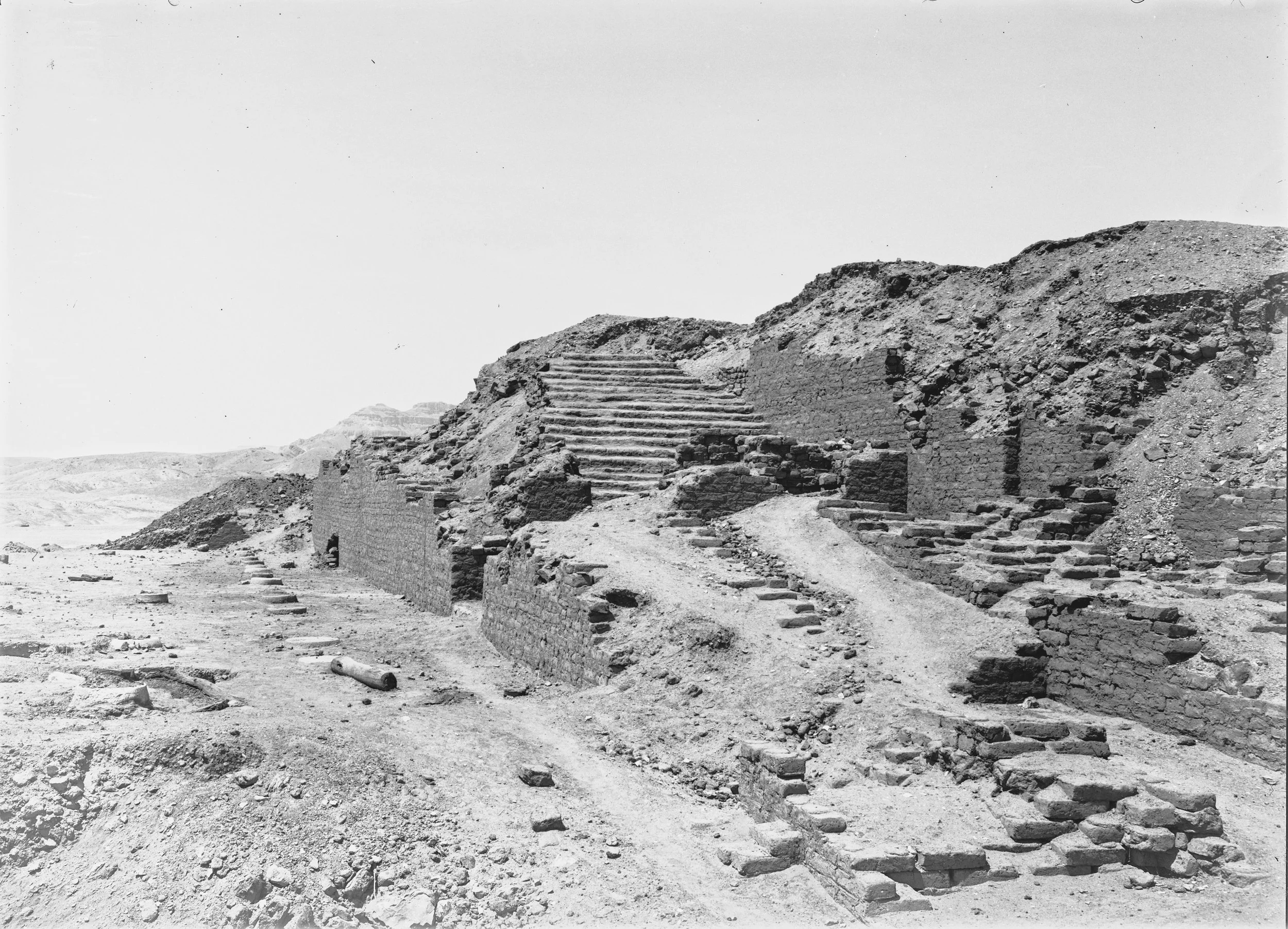
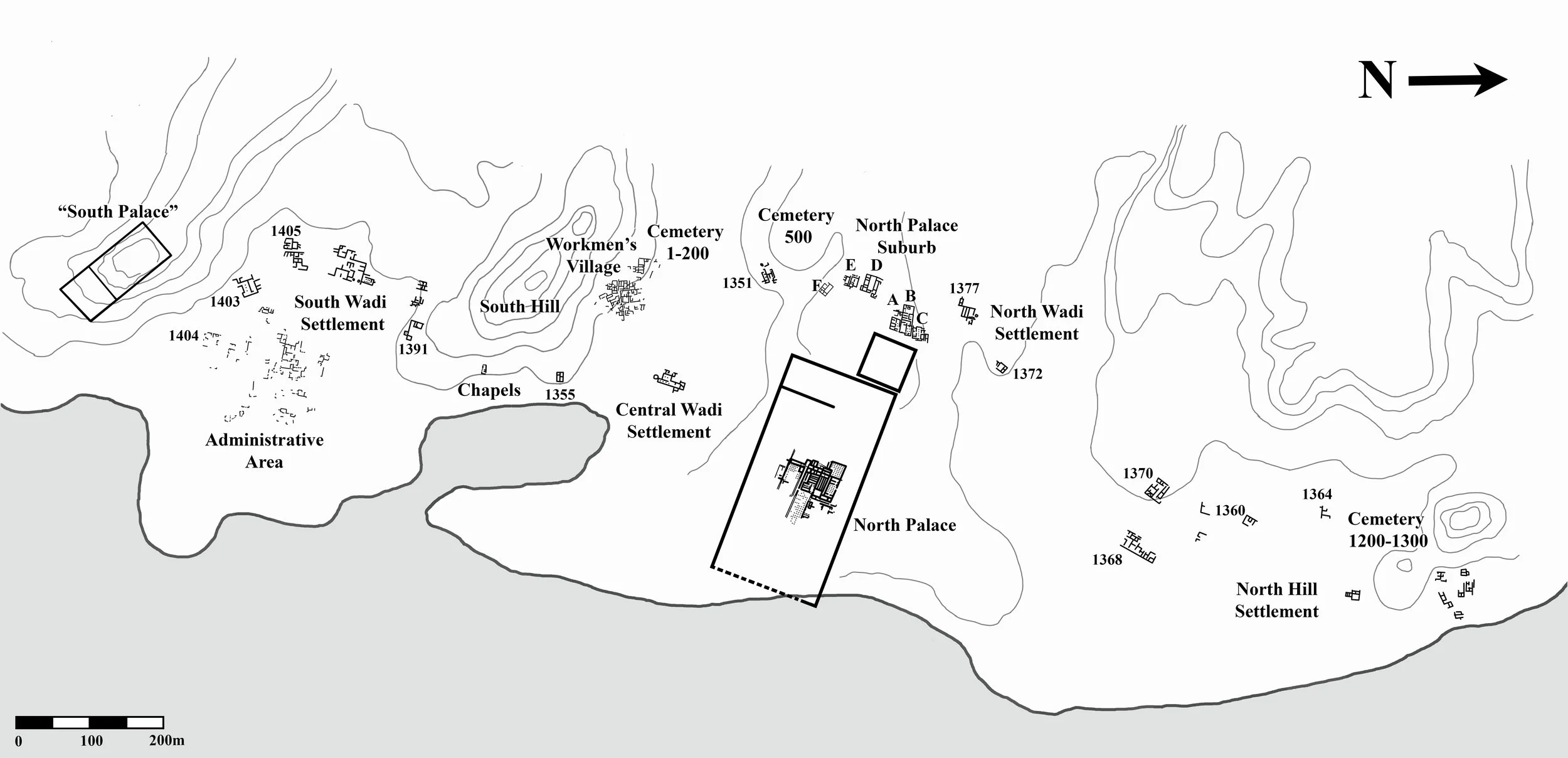
So far, restoration of the “South Palace” has been largely completed. The structure suffered considerable damage during the 2011 revolution, when looters emptied some of its casemate foundations and dug holes beneath and through the façade of the platform’s eastern wall, causing significant portions of the brick facing to collapse. We rebuilt the façade, which served as a retaining wall for the fill that makes up much of the structure, using modern, unbaked mud bricks stamped with an AUC logo and made to the same dimensions as the original “South Palace” bricks (ca. 47 × 22 × 12 cm).
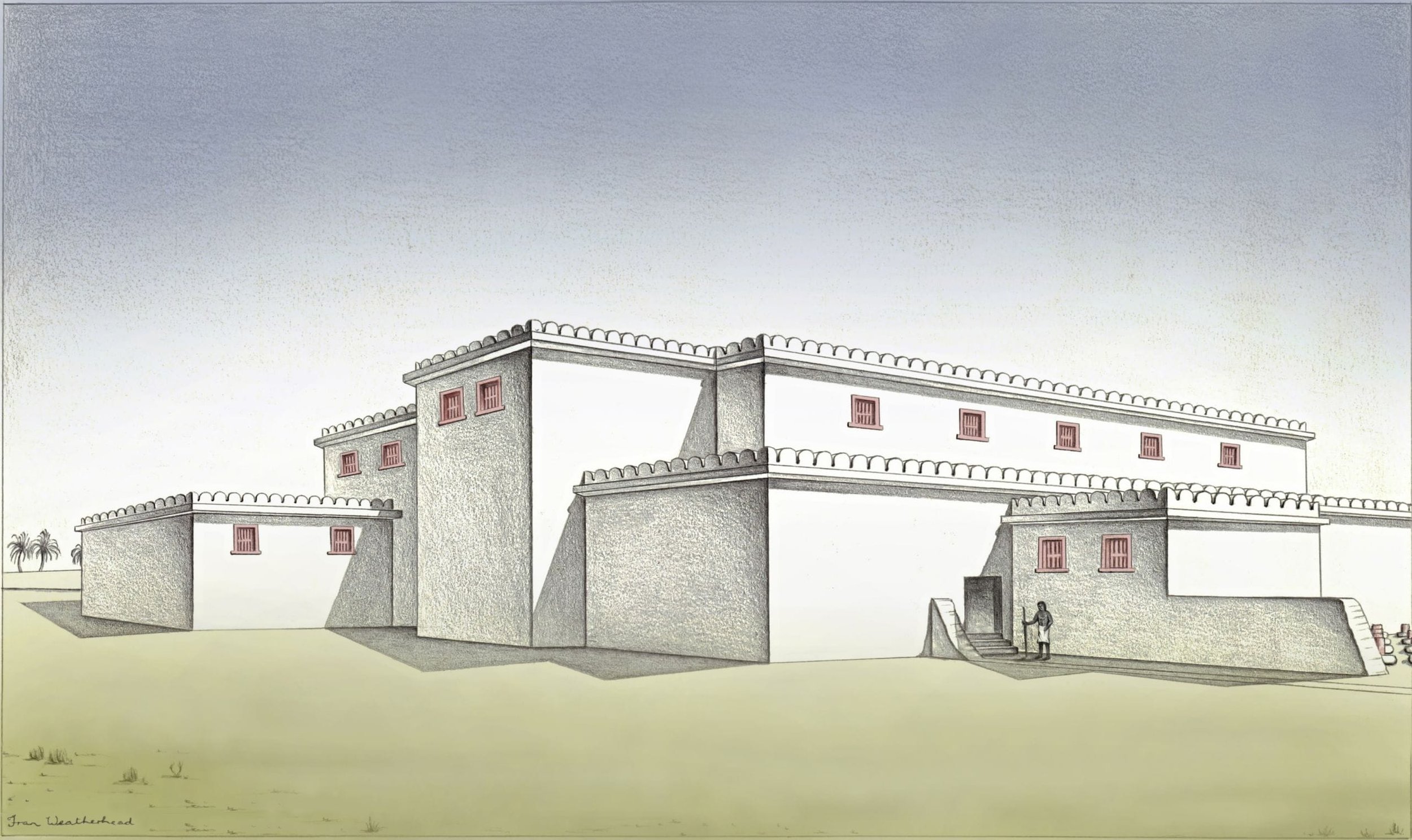
Despite its name, the “South Palace” was not a royal residence. Rather, it appears to have served as a type of watchtower, with a raised platform reached by a broad staircase. The entire structure was built around the top of a natural hill, which was enclosed by brick casemates to create the appearance of a fortified hilltop building. During work to clean, cap, and stabilize the inner stairway wall, we discovered fragments of wood embedded in the mud brick that are reused ship timbers.
The actual royal residence was the North Palace, an enormous structure measuring more than 200 meters wide and 350 meters long. Situated near the center of the ancient settlement, the palace has increasingly been encroached upon by the modern town to the south and the modern cemetery to the north.
We have begun rebuilding the North Palace’s casemate foundations and will refill them both to discourage trash dumping and to restore the original paving, creating a platform for eventual tourist visitation. We are also rebuilding the palace’s original enclosure wall, which will help protect the structure while clearly demarcating the archaeological area.
Excavation updates


-
The ancient site shares the space occupied by the modern town of Deir el-Gharbi, north of the city of Ballas on the west bank of the Nile between Luxor and Qena.
-
The site is not yet open for tourists and requires special permission from the Antiquities Service to visit.