Deir el-Ballas Publication
Our fieldwork at the site dovetails with a grant we have received from the Shelby White and Leon Levy Program for Archaeological Publications to prepare the results of the of the original expedition conducted at the site in 1900-1901 by George Andrew Reisner working for the Phoebe A. Hearst Expedition of the University of California.
The new expedition’s work and the publication grant provides an opportunity to revisit, refine and transmit the results of the Hearst Expedition’s earlier work which has never seen the light of day. Thanks to the grant from the Shelby White and Leon Levy Program for Archaeological Publications we have made significant progress in preparing the material for eventual publication.
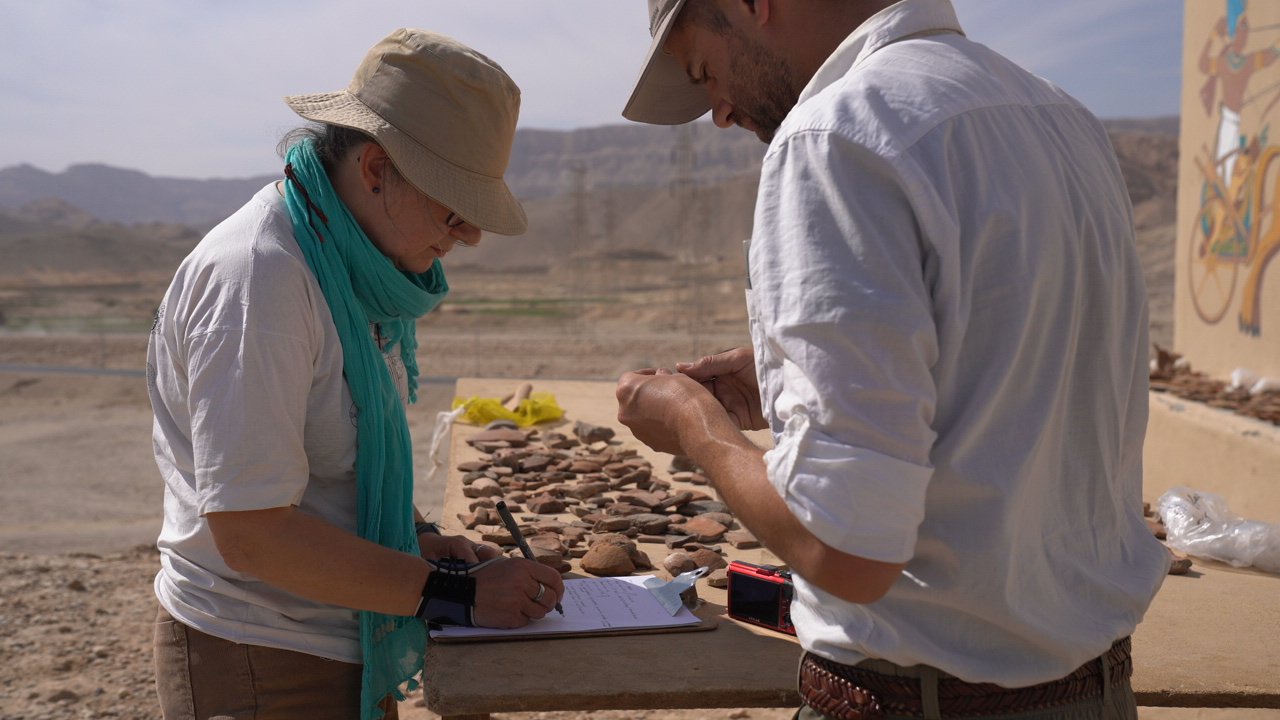
From April 2 to 14, 2018, Niv Allon of the Department of Egyptian Art at the Metropolitan Museum of Art, Christian Knoblauch of Swansea University and Bettina Bader of the Institut für Orientalische und Europäische Archäologie, Österreichische Akademie der Wissenschaften, along with Peter Lacovara traveled to document the materials from Deir el-Ballas in storage at the Phoebe A. Hearst Museum of Anthropology, University of California, Berkeley, CA.
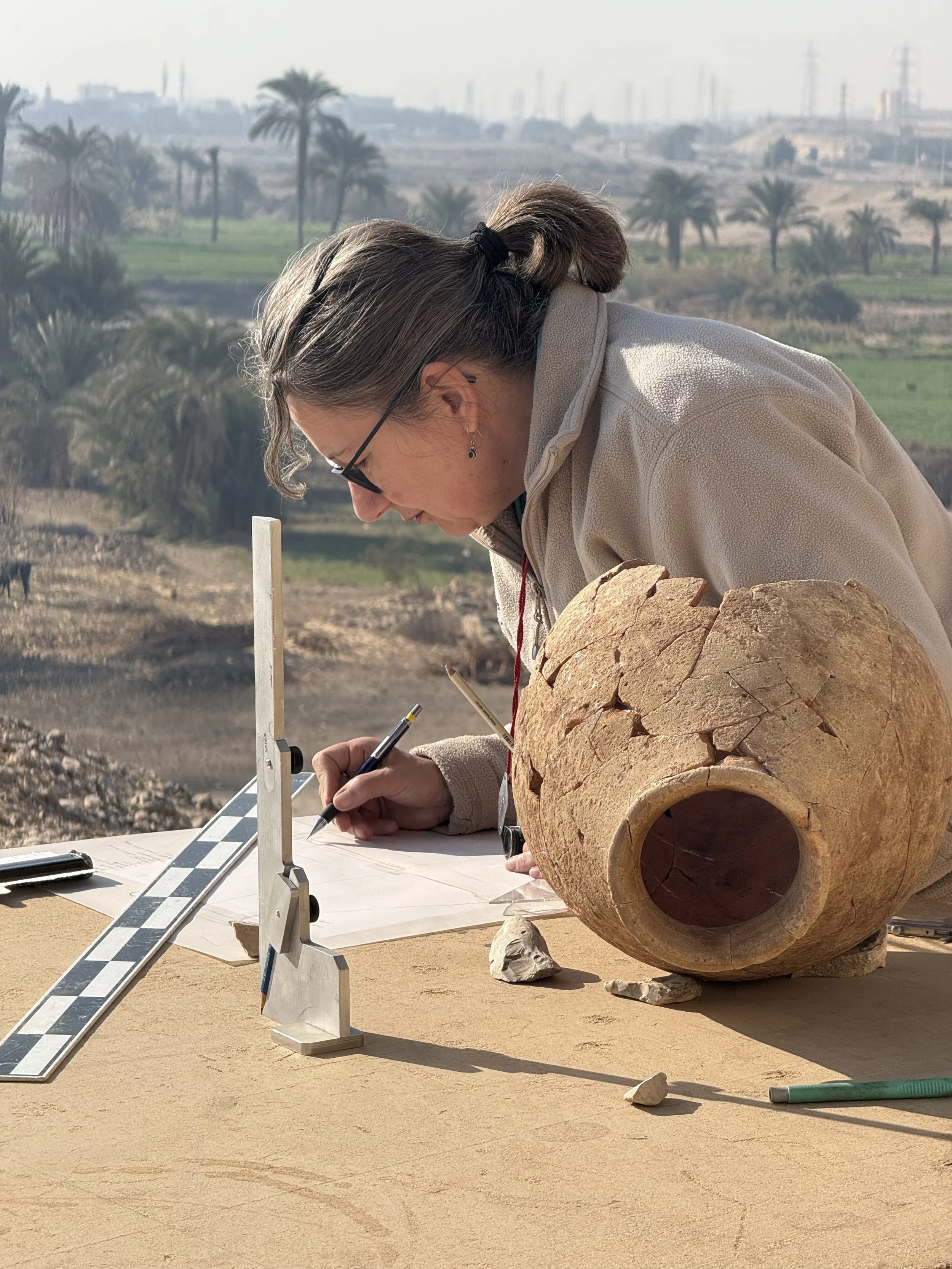
They recorded, drew and photographed over 400 objects in storage as well more than 350 ceramic vessels, and all drawings are now in the process of being inked for publication (see the examples by Andrew Boyce below).
In addition to the materials we already knew about, an album of photographs of the Hearst Expedition taken by Albert M. Lythgoe, who was part of the team, was discovered in the archives of the Metropolitan Museum of Art and they have been digitized and made available to the project.
IMAGES
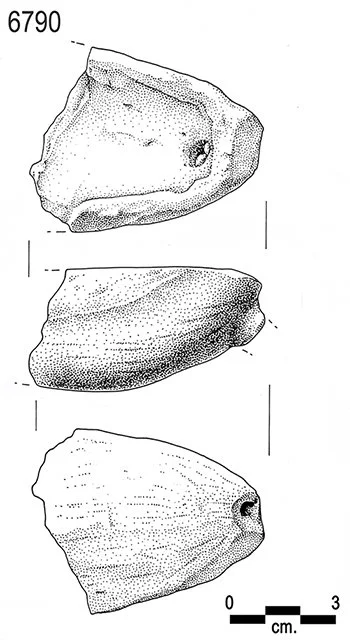
Sample object Illustration by Andrew Boyce: Fragment of a clay model ship. Museum of Fine Arts, Boston
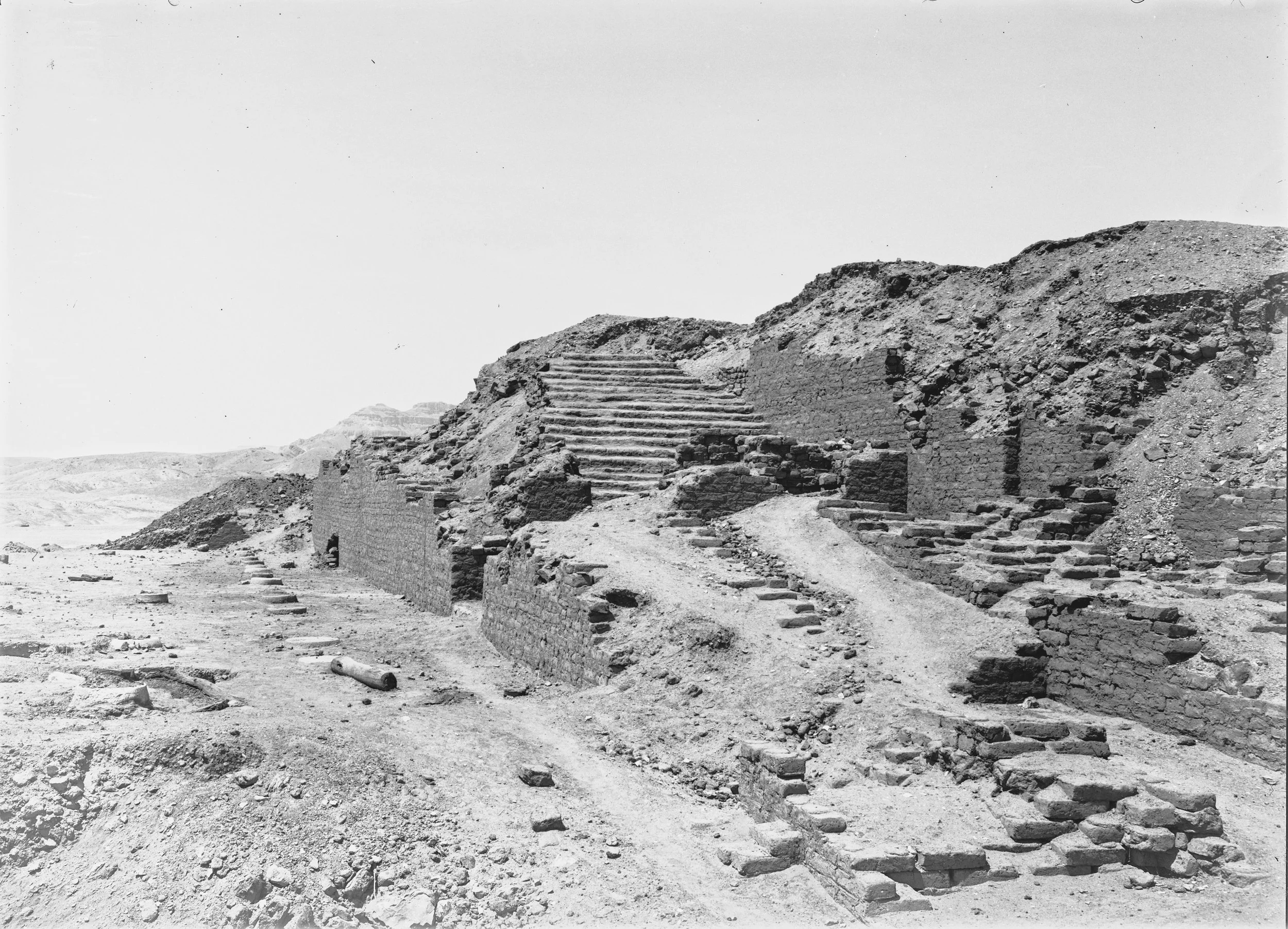
Archival Photograph of Reisner’s excavation: South Palace at Deir el-Ballas looking southwest. © MFA, Boston.
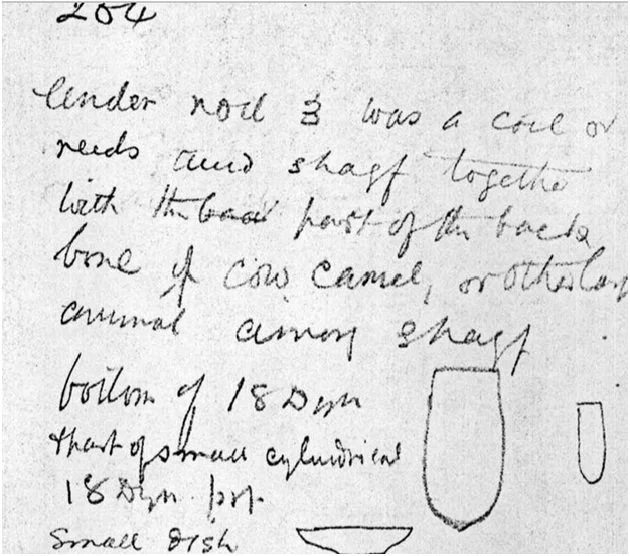
Scan of Reisner’s site notebook: Notes on the contents of tomb 204. © MFA, Boston.
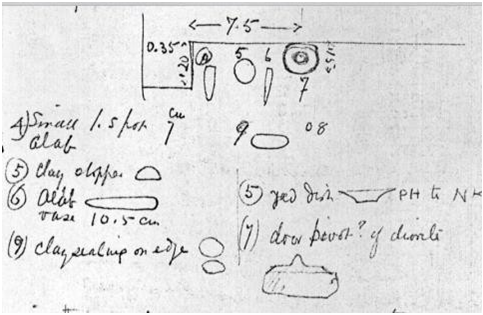
Scan of Reisner’s site notebook. © MFA, Boston.
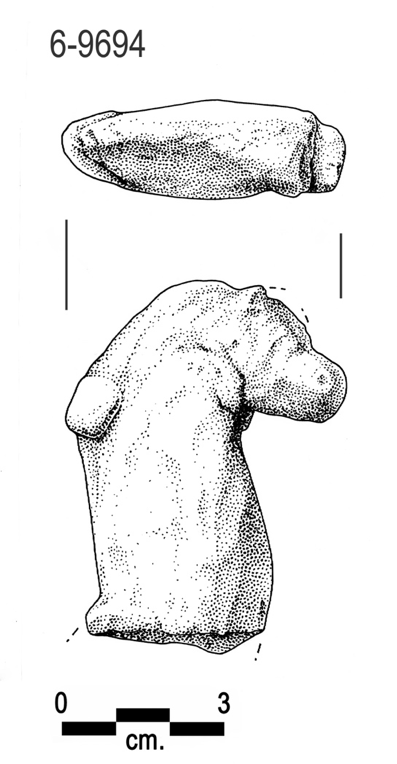
Sample object Illustration by Andrew Boyce: Clay model horse, also the earliest representation known from Egypt. From Deir el-Ballas in the Phoebe A. Hearst Museum of the University of California, Berkeley
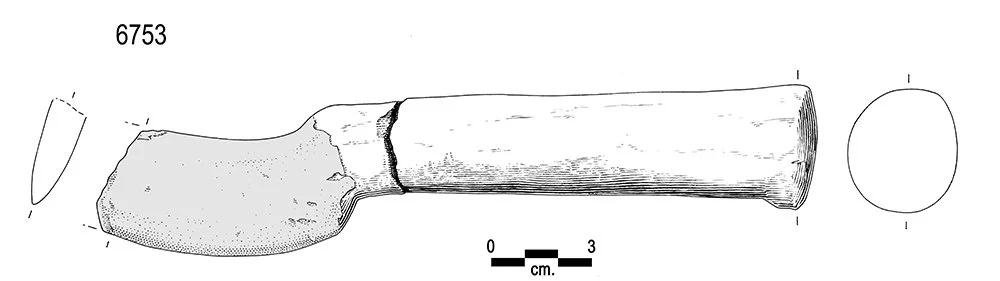
Sample object Illustration by Andrew Boyce: Fragment of a clay model sickle sword. Museum of Fine Arts, Boston
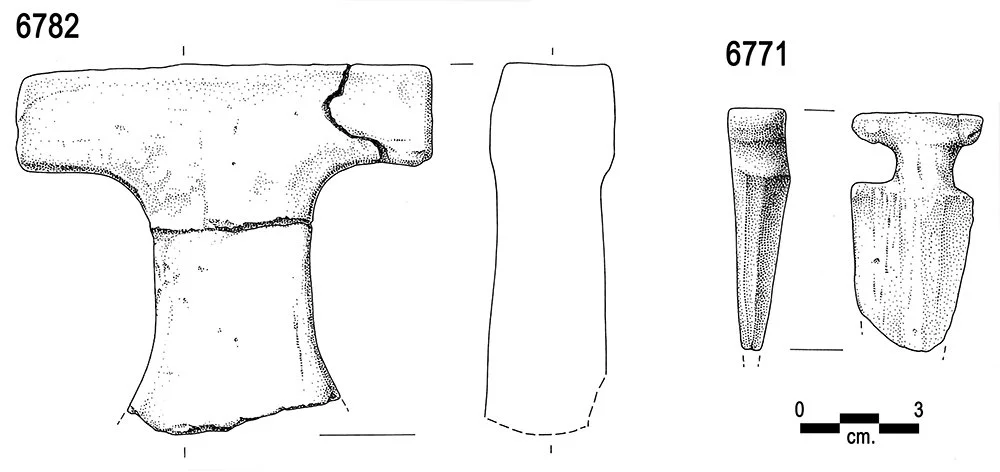
Sample object Illustration by Andrew Boyce: Fragments of a clay model axe and dagger. Museum of Fine Arts, Boston
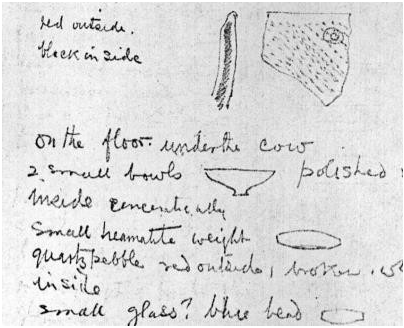
Scan of Reisner’s site notebook: Notes on artifacts discovered in the North Palace. © MFA, Boston.
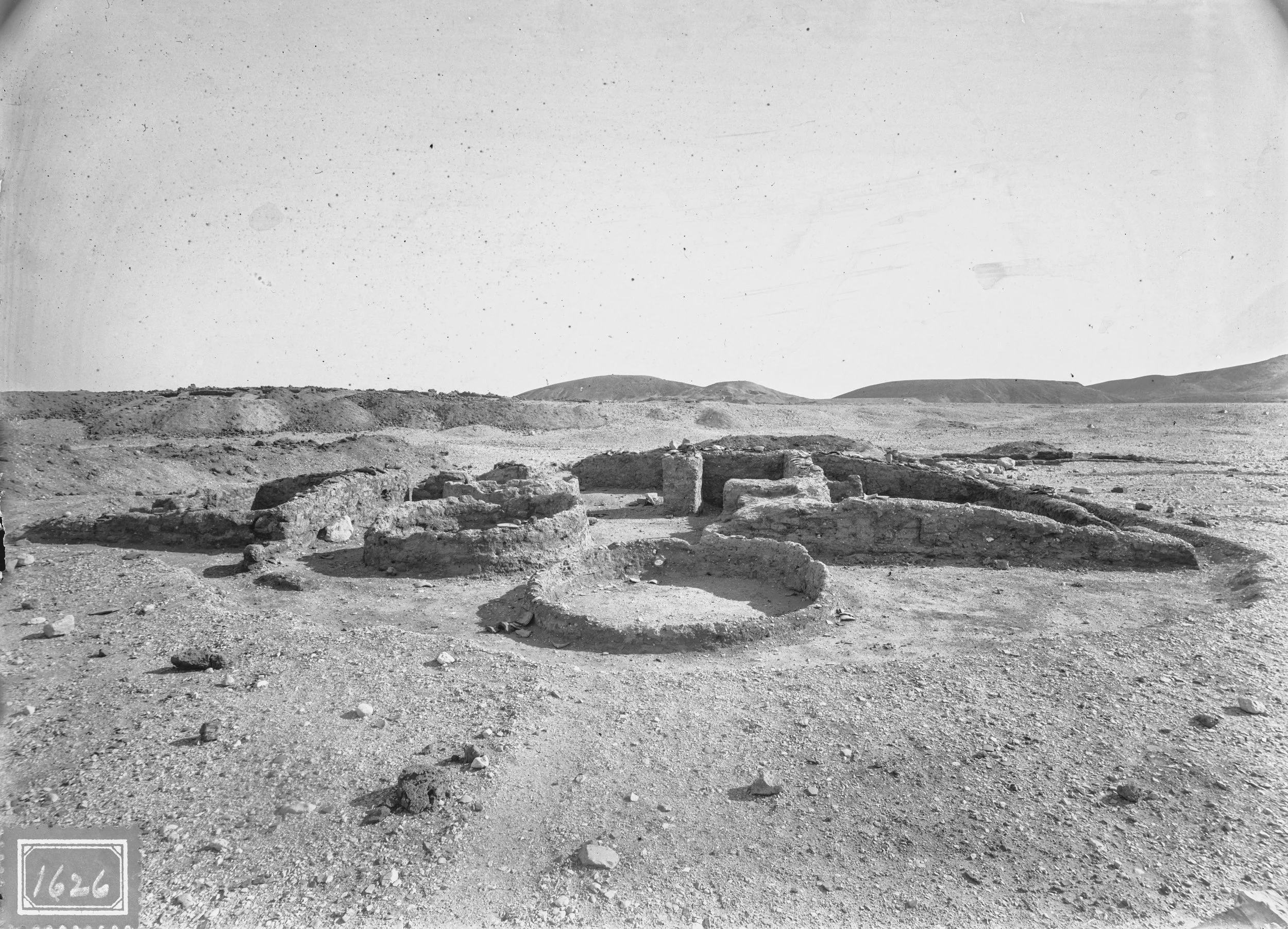
Archival photograph of Reisner’s Excavation: House 1377 in the North Wadi Settlement, looking south. © MFA, Boston.
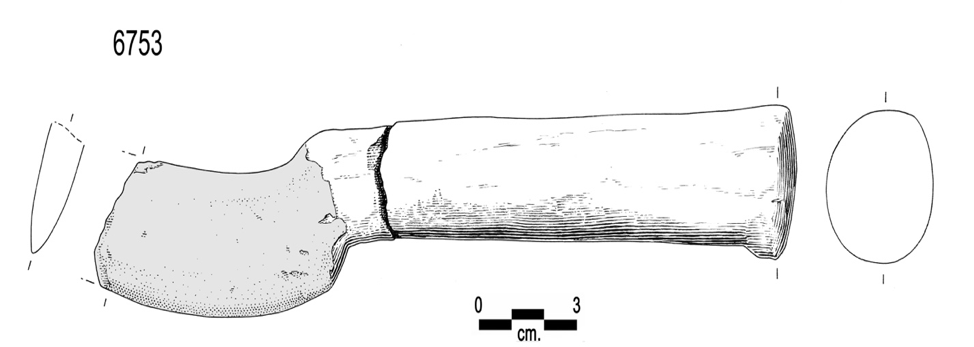
Sample object Illustration by Andrew Boyce: Clay model sickle-sword, the earliest known example of this weapon in Egypt from Deir el-Ballas in the Phoebe A. Hearst Museum of the University of California, Berkeley
UpdateIn addition to the publication project, we are developing a freely accessible website to enable users to search through a wide variety of multimedia documentation which will include original documentation such as digital imagery, photographs, maps, plans and drawings and be up by the time of the final manuscript preparation.
We are now in the process of preparing all this material for publication. The project proposes three successive volumes within the revived University of California Publications in Egyptian Archaeology series:
Volume IX — Hearst Egyptian Expedition, Excavations at Deir el-Ballas I: The Cemeteries and Selected Tombs
Status: Work currently includes preparation of the archaeological catalog, with photography and drawings completed, together with archival research and drafting of chapters and specialist contributions.
Volume X — Hearst Egyptian Expedition, Excavations at Deir el-Ballas II: The Settlement
Status: Work currently includes archival research, data collection, continuing fieldwork, and preparation of the archaeological catalog.
Volume XI — Hearst Egyptian Expedition, Excavations at Deir el-Ballas III: The Romano-Coptic Period
Status: Work currently includes data collection, archival research, and fieldwork.